





60° 42' 50.9" N 135° 04' 33.3" W
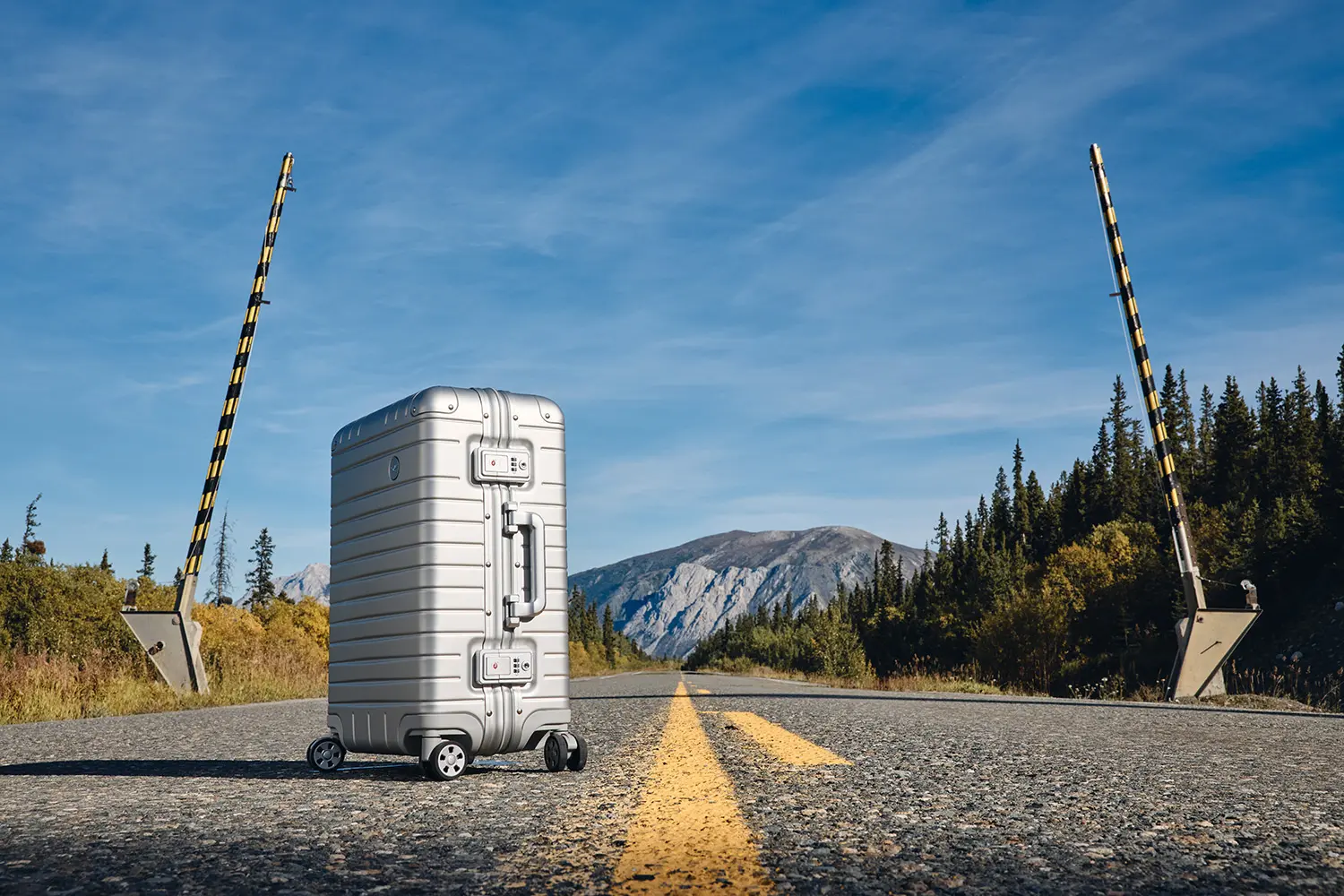
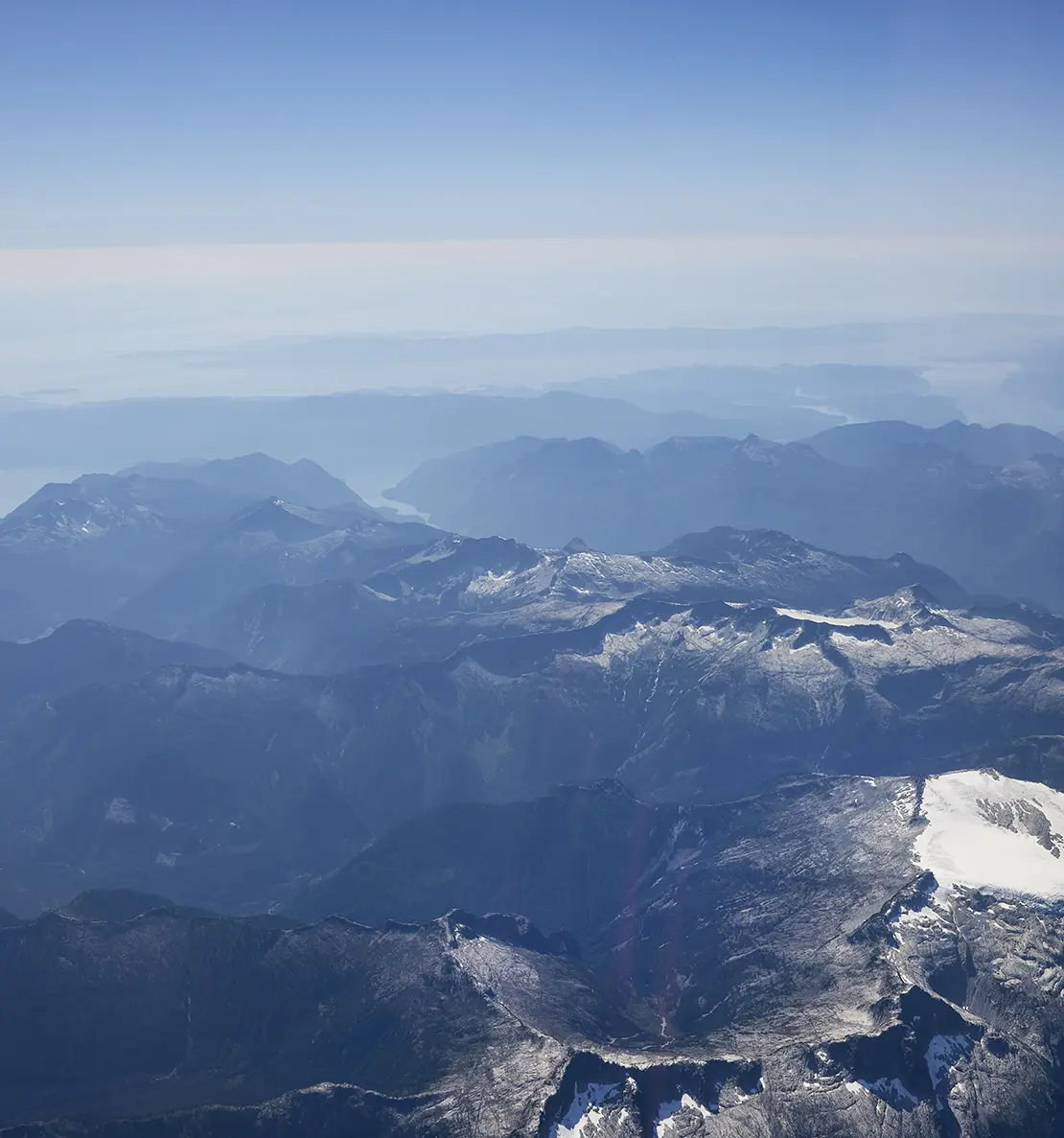
The wilderness begins beyond Whitehorse. As you drive north along the Klondike Highway, a world of pines, mountains and 4,000-metre-tall glaciers unfolds after two miles. Icy rivers wind through the lands of the First Nations, the tundra stretches as far as the Arctic. Where salmon and grizzlies are at home and herds of bison roam.
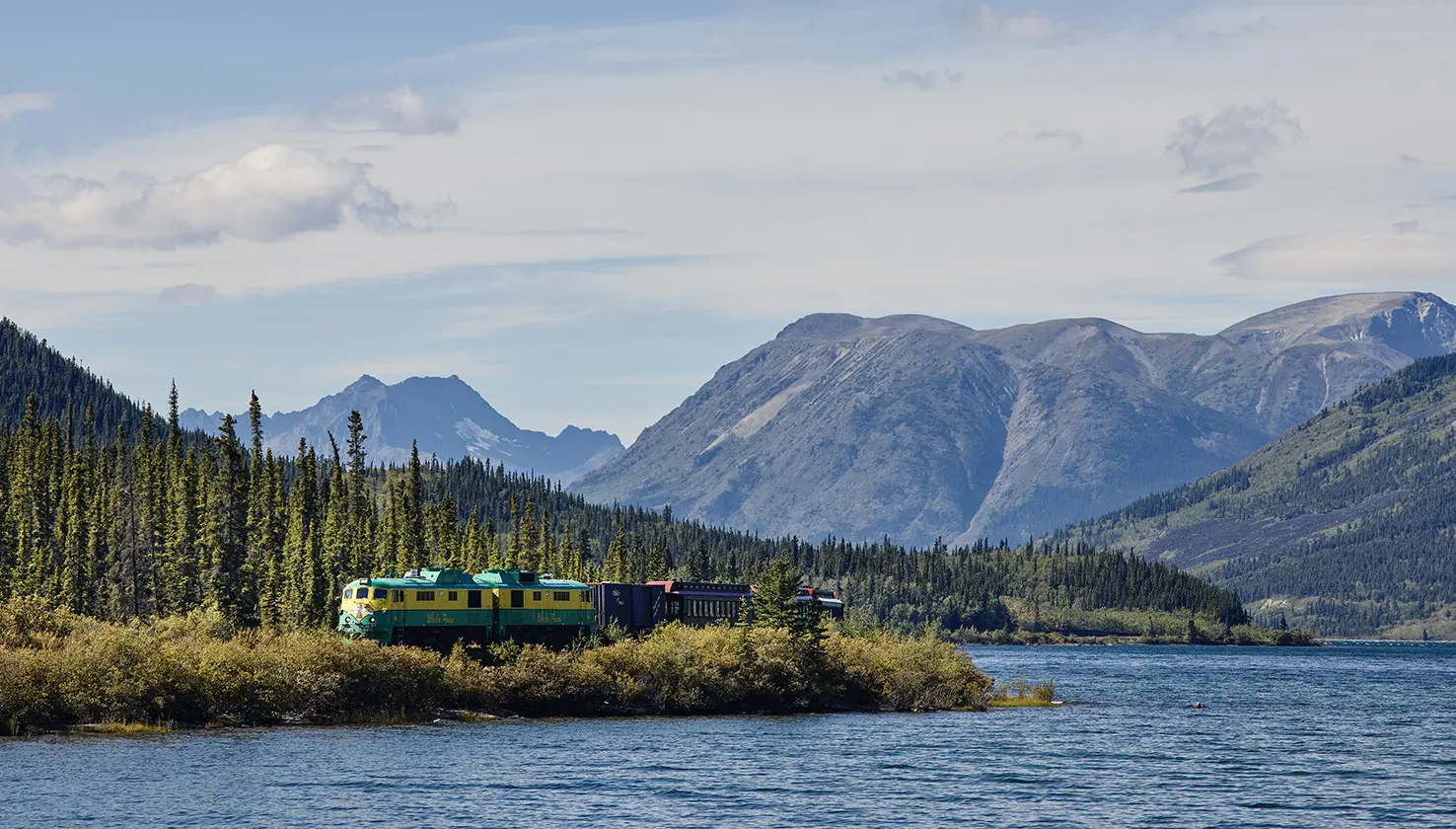
Seaplanes circle overhead; the Yukon River flows behind the old rail station. ‘North of Ordinary’ is what they call it here – a place outside the comfort zone. Temperatures plummet in the wintertime, and minus 40° or 50° C is not unusual. Car have to be hooked up to electric cables so their transmission oil doesn’t freeze.
The names are enough to make shiver: Yukon Territory, the Klondike River, Alaska, quite close by. To the north, the Beaufort Sea. Further south, the legendary Chilkoot Pass, beyond which the old gold-digging regions lay. In 1896, the Yukon Gold Rush drew hordes of fortune seekers, 100,000 stampeders hoping to grow rich overnight. Instead of finding gold, many lost their lives in the mountains – to the cold or the wolves. Gold seekers from the south often had no idea what awaited them up north.
Seaplanes circle overhead; the Yukon River flows behind the old rail station. ‘North of Ordinary’ is what they call it here – a place outside the comfort zone. Temperatures plummet in the wintertime, and minus 40° or 50° C is not unusual. Car have to be hooked up to electric cables so their transmission oil doesn’t freeze.
The names are enough to make shiver: Yukon Territory, the Klondike River, Alaska, quite close by. To the north, the Beaufort Sea. Further south, the legendary Chilkoot Pass, beyond which the old gold-digging regions lay. In 1896, the Yukon Gold Rush drew hordes of fortune seekers, 100,000 stampeders hoping to grow rich overnight. Instead of finding gold, many lost their lives in the mountains – to the cold or the wolves. Gold seekers from the south often had no idea what awaited them up north.
Jack London was there too. The man who heeded the call of the wild and created world-famous literature. His stories raised the Yukon to legendary heights. Whitehorse and Dawson City were the gateway to the wilderness, their saloons drew a rough-and-tumble crowd. Speculators and scoundrels, gamblers and grifters, they often settled scores by pulling the trigger. And always in the air, the scent of gold and dynamite.
Today, the Yukon’s greatest treasure is its monumental scenery. Paddlers, hikers, climbers flock here in the summer. Others hunt or fish, or fly in to snowshoe through the wilderness or see the Northern Lights. Half a million square kilometres of boreal forest extend north of Whitehorse, traversed by mountain ranges and uninhabited plateaus. Yet only 43,000 people call the Yukon their home. It’s one of Canada’s most sparsely populated territories.
Today, the Yukon’s greatest treasure is its monumental scenery. Paddlers, hikers, climbers flock here in the summer. Others hunt or fish, or fly in to snowshoe through the wilderness or see the Northern Lights. Half a million square kilometres of boreal forest extend north of Whitehorse, traversed by mountain ranges and uninhabited plateaus. Yet only 43,000 people call the Yukon their home. It’s one of Canada’s most sparsely populated territories.
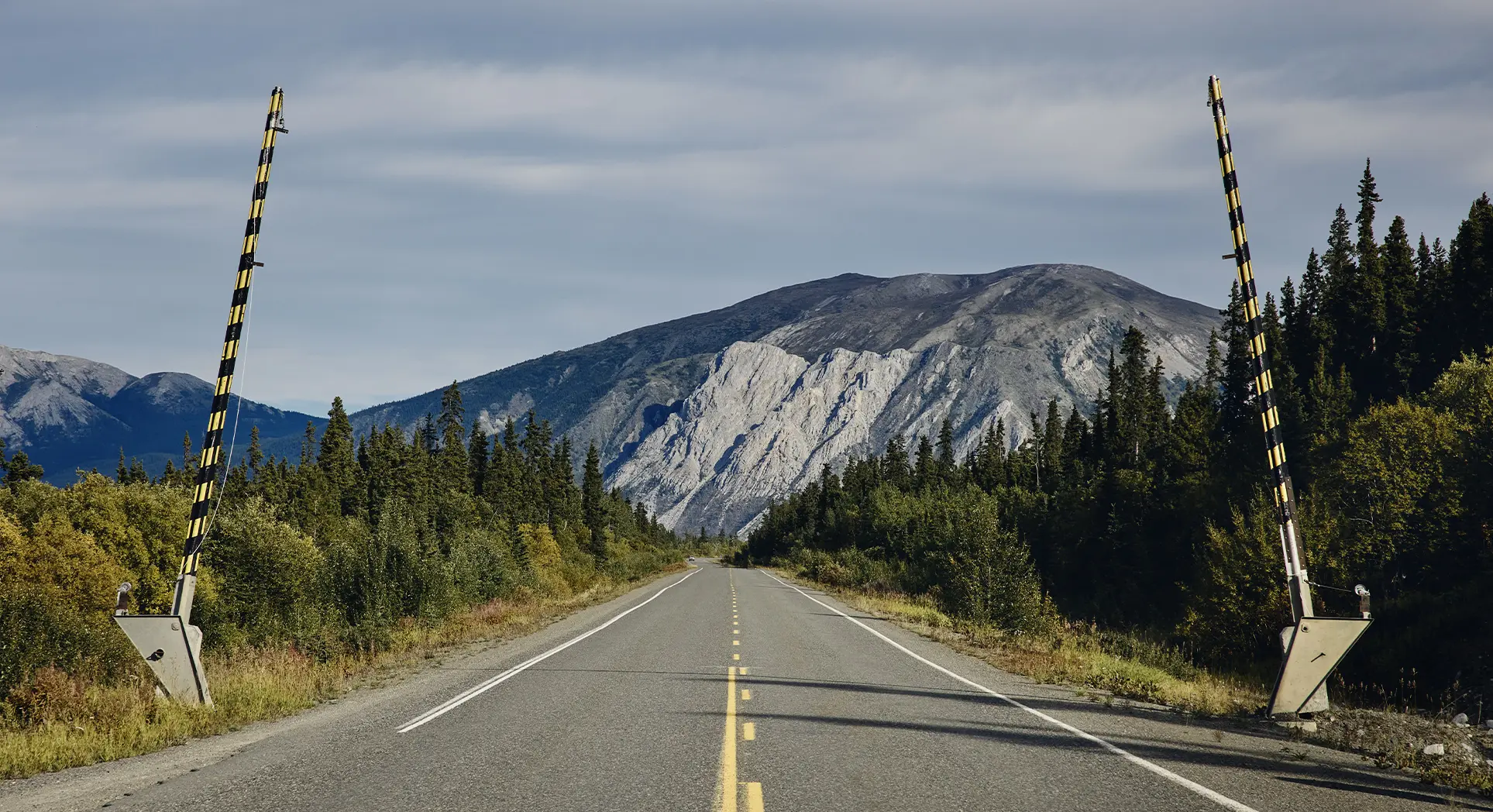
The wilderness begins beyond Whitehorse. Where salmon and grizzlies are at home and herds of bison roam.
To be able to live and work here, you must be made of strong material. You should know how to chop wood, feel at home on a snowmobile and be able to keep your wits about you when you meet a black bear.
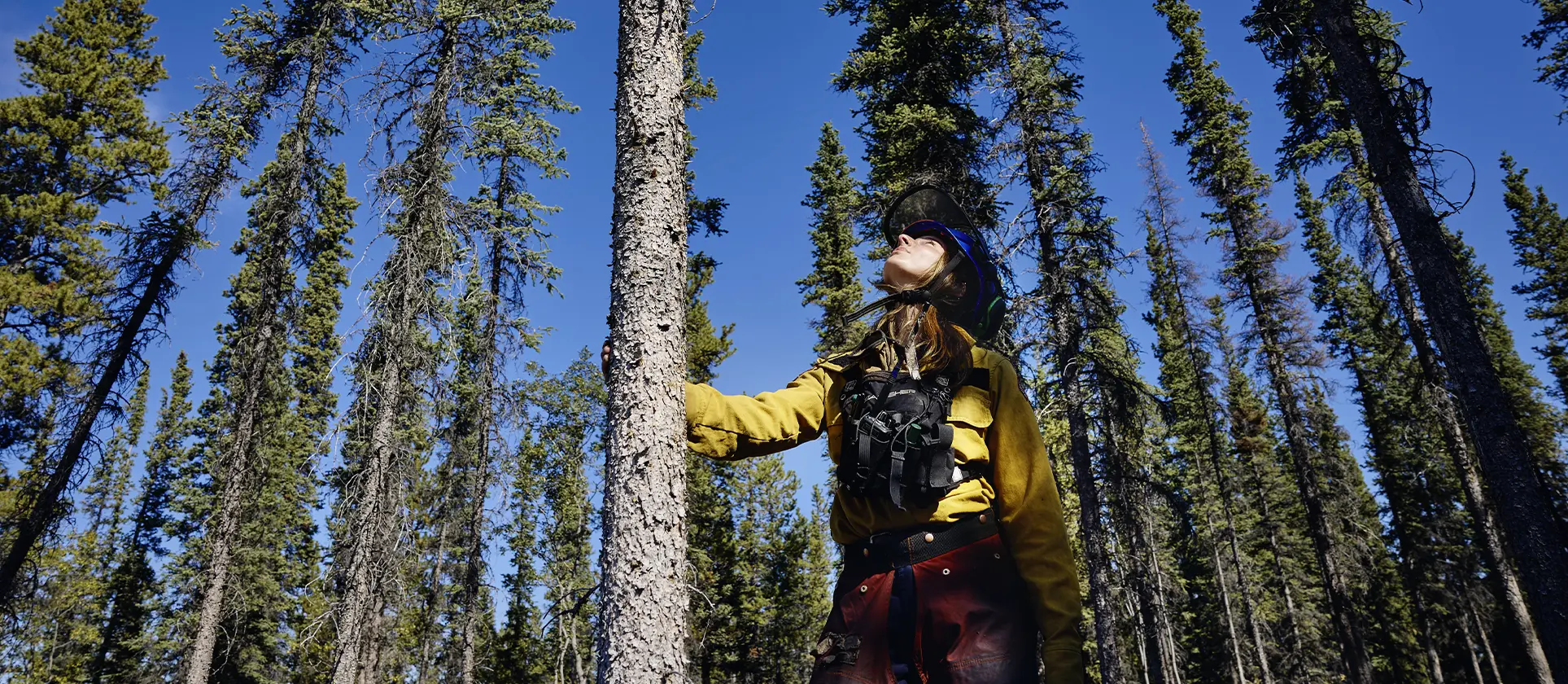
On a Tuesday morning outside the Yukon First Nations Wildfire station, Elise Brown-Dussault, 30, loads chainsaws and a bag of survival gear onto a truck. The Canadian and her two coworkers will soon head out into the woods to make the area more resilient to forest fires.
‘I’ve seen my share of them’, says Brown-Dussault. “We’ve all been in the middle of a fire.’ Sometimes, the women have to fight a fire on the ground, a burning hell through which they run, radios in hand, climb and battle the blaze as if their lives depended on it, which they do. Standing in the fire department storeroom surrounded by saws, pickaxes and emergency food supplies, Brown-Dussault says: ‘We can survive in the wilderness for two weeks if we have to.’
On a Tuesday morning outside the Yukon First Nations Wildfire station, Elise Brown-Dussault, 30, loads chainsaws and a bag of survival gear onto a truck. The Canadian and her two coworkers will soon head out into the woods to make the area more resilient to forest fires.
‘I’ve seen my share of them’, says Brown-Dussault. “We’ve all been in the middle of a fire.’ Sometimes, the women have to fight a fire on the ground, a burning hell through which they run, radios in hand, climb and battle the blaze as if their lives depended on it, which they do. Standing in the fire department storeroom surrounded by saws, pickaxes and emergency food supplies, Brown-Dussault says: ‘We can survive in the wilderness for two weeks if we have to.’
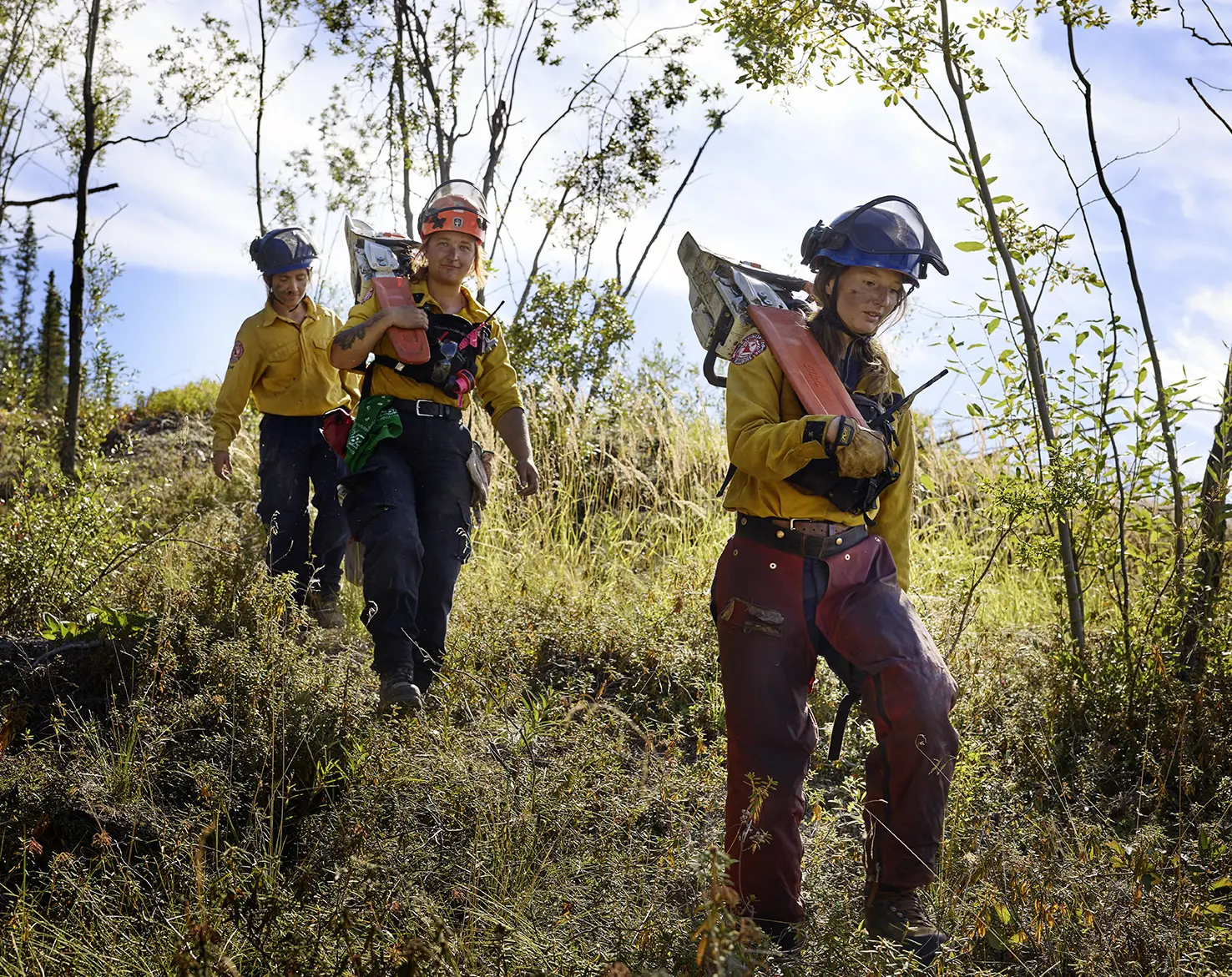
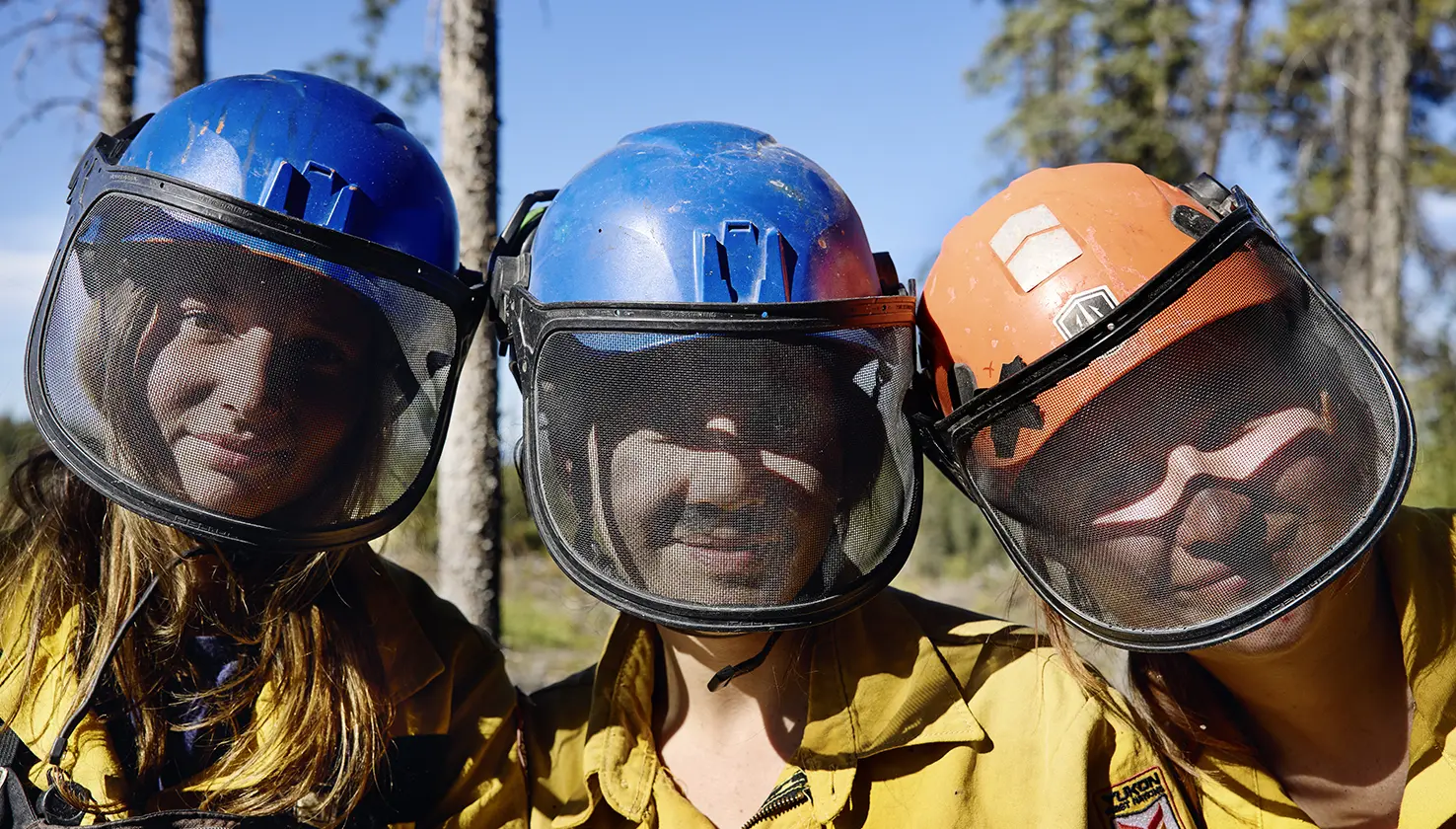
These women are part of a tradition that many no longer know about. Among the men who went north during the Klondike gold rush were brave women, the ‘pioneer women of the Yukon.’ Entrepreneurs, entertainers, teachers, nurses, journalists, miners and homemakers, they were as unafraid of freezing temperatures as of fights. The MacBride Museum in Whitehorse writes: ‘The trailblazing women in the Yukon had to be strong-willed and innovative in order to survive, sustain their families, and build communities in the North.’
Life among the gold-obsessed prospectors can’t have been easy. Hundreds of men died of hunger during the winters, and the towns were full of crooks and swindlers desperate to make a buck. One woman who easily competed with the men was Kathleen Eloise Rockwell. She was a singer from Kansas who wore her nickname like a revolver and rocked the Yukon from day one. Meet Klondike Kate.
Kate earned money as a tap dancer, but also sought gold. In the end, Klondike Kate – star of the Yukon and shrewd businesswoman – was earning 200 dollars a week. That was far more than the vast majority of prospectors who left the North as poor as church mice.
Life among the gold-obsessed prospectors can’t have been easy. Hundreds of men died of hunger during the winters, and the towns were full of crooks and swindlers desperate to make a buck. One woman who easily competed with the men was Kathleen Eloise Rockwell. She was a singer from Kansas who wore her nickname like a revolver and rocked the Yukon from day one. Meet Klondike Kate.
Kate earned money as a tap dancer, but also sought gold. In the end, Klondike Kate – star of the Yukon and shrewd businesswoman – was earning 200 dollars a week. That was far more than the vast majority of prospectors who left the North as poor as church mice.
Follow us and don’t miss a story


Another well-known woman was Belinda Mulrooney. By building hotels and investing in claims and bars, she became the richest woman in the Yukon. Emma Kelly and Annie Hall Strong made a name for themselves as journalists, and a woman named Harriet Pullen sold pies to prospectors before starting a horse-drawn freight service. Finally, she opened Pullen House, one of the best hotels in the far north.
You can see them sitting by the Yukon river in old photographs, snow-covered peaks rising behind them. The brave women of the Klondike rolled up their sleeves and got to work, but that’s not all. They were among the first to make Canada a modern country.
Today, other women are following in their footsteps. Mandy Johnson, for instance. Born in Whitehorse, she grew up in the Yukon, and her great-grandparents owned a farm in Alberta. Johnson learned to ride when she was 5. At age 12, she took visitors on trail rides to earn a few dollars. Wilderness tours on horseback around Lake Laberge.
You can see them sitting by the Yukon river in old photographs, snow-covered peaks rising behind them. The brave women of the Klondike rolled up their sleeves and got to work, but that’s not all. They were among the first to make Canada a modern country.
Today, other women are following in their footsteps. Mandy Johnson, for instance. Born in Whitehorse, she grew up in the Yukon, and her great-grandparents owned a farm in Alberta. Johnson learned to ride when she was 5. At age 12, she took visitors on trail rides to earn a few dollars. Wilderness tours on horseback around Lake Laberge.
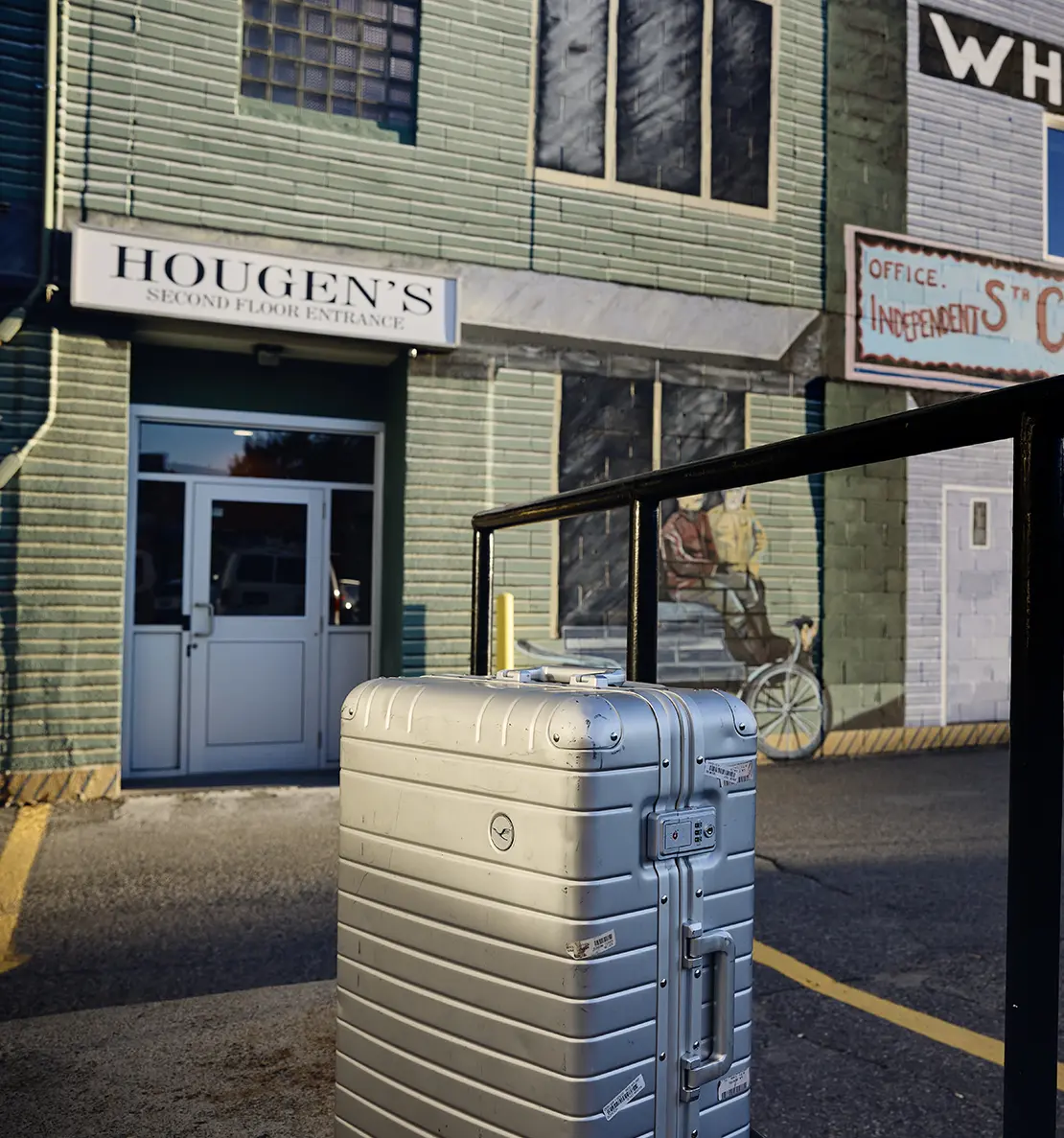
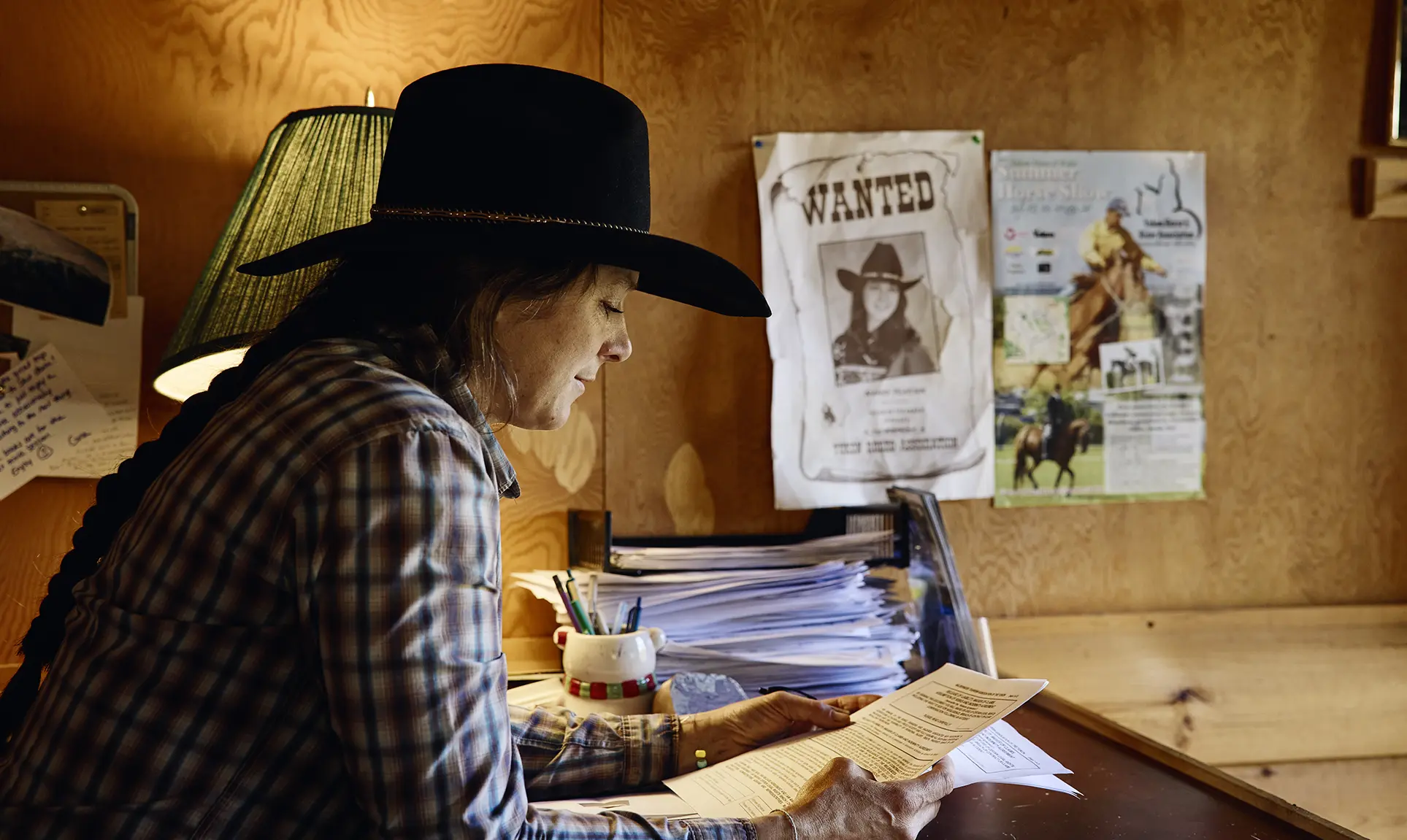
After earning a degree in environmental science she acquired a farm, where she lives with her husband, her children, 25 horses and 55 Alaskan huskies. Today, Johnson, 48, offers professional horseback trips deep into the woods, across rivers and streams and up to mountain campsites where not even a helicopter can go. The view from the farm opens up toward the north. Nature reserves, the Grizzly Mountains and First Nations lands are all on her doorstep. ‘I only drive into town once a week’, Johnson admits. ‘That’s plenty for me.’ She doesn’t like walls or traffic lights. ‘I’m a country person’, she says.
Johnson recently led a group of researchers to the foot of the Yukon Plateau. They travelled there on horseback, including all of their gear, to study the behaviour of pikas, small mammals that communicate with unique, high-pitched squeaks.
Johnson recently led a group of researchers to the foot of the Yukon Plateau. They travelled there on horseback, including all of their gear, to study the behaviour of pikas, small mammals that communicate with unique, high-pitched squeaks.
Very often, the women take jobs that even the roughest men back then could hardly have imagined.
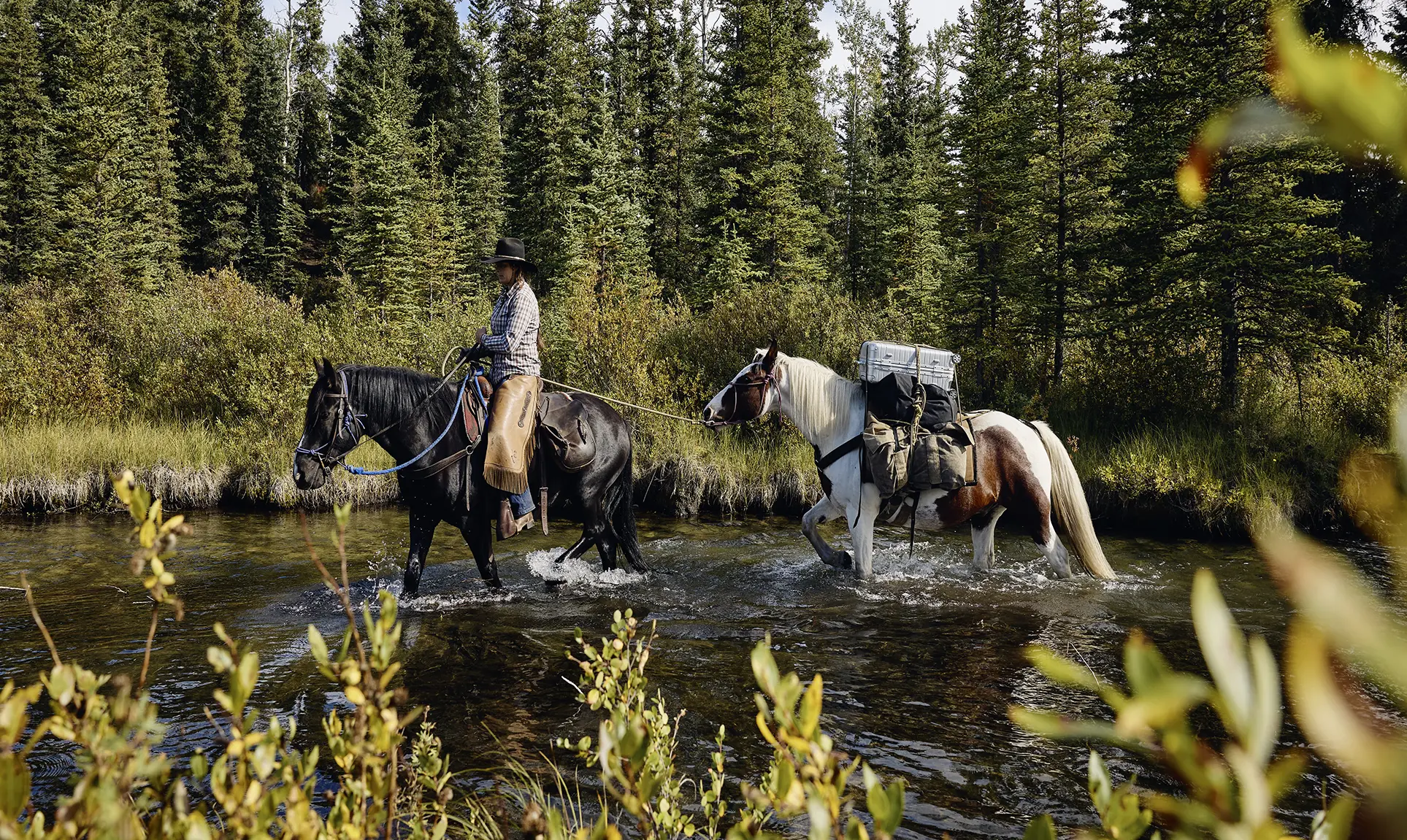
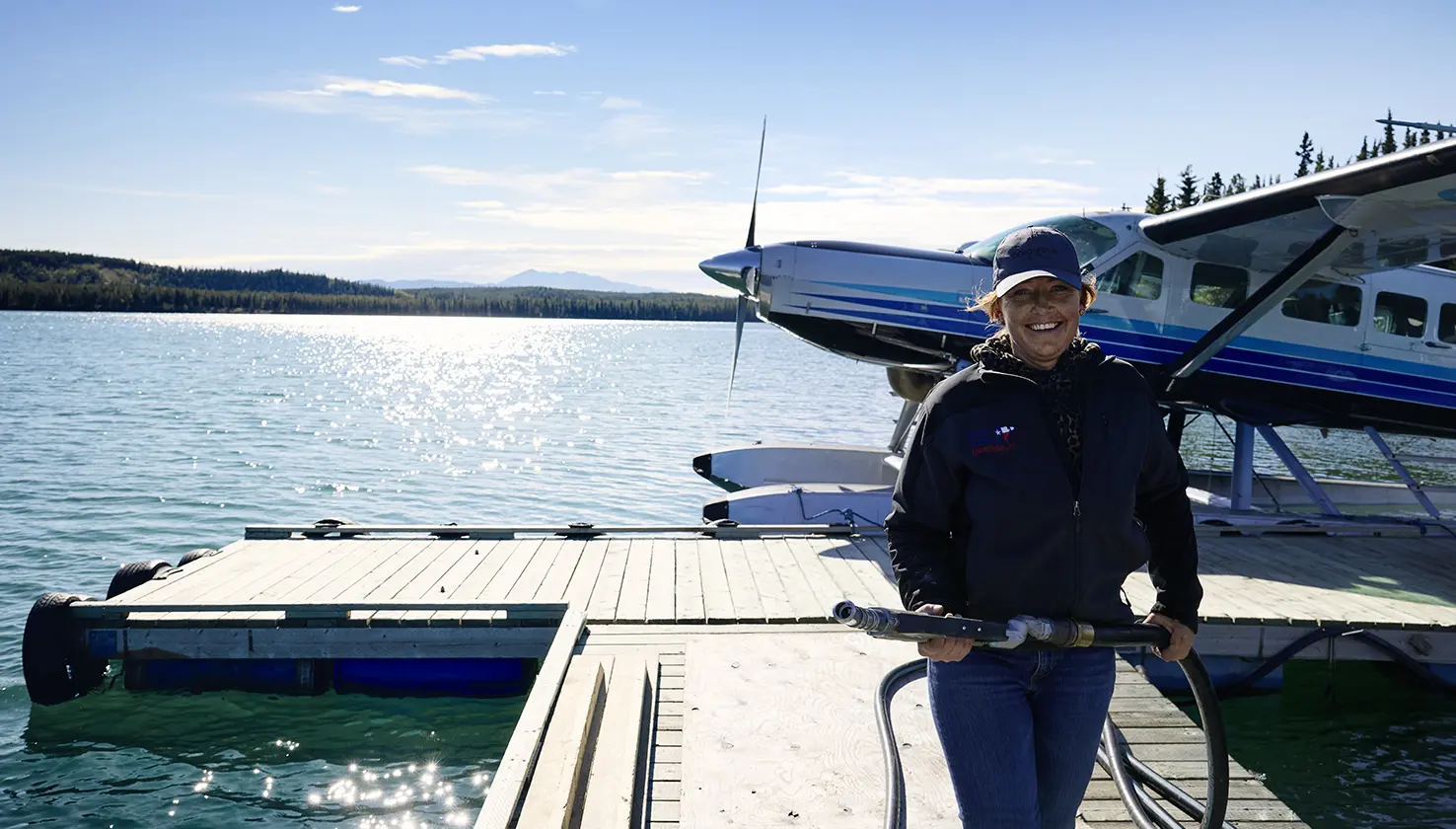
The resilient women of the Yukon still take life in their stride. And often, they pursue jobs that even the roughest men back then would hardly have imagined taking. The next morning, Rachel Morris walks down to the edge of Schwatka Lake and onto a narrow jetty. Not for boats, but for seaplanes.
Rachel Morris, 41, is a bush pilot – one of many in Yukon Territory. She moved to Whitehorse in 2011 and is now one of the area’s most experienced pilots. She and fellow pilot Joyce Rempel work for the small airline Alkan Air, flying geologists, mine workers, hunters and freight into the farthest reaches of the territory. They also transport fuel, drums of kerosene and diesel, to outlying stations. And if a paddler wishes to be dropped off in the wilderness, Morris straps their canoe to the skids of her seaplane and off they go.
Morris flies for Alkan Air up to Old Crow and as far north as Sachs Harbour, the only settlement on Banks Island. Only 100 people live here on the threshold to the Arctic, along with North America’s largest populations of geese and musk oxen.
Morris says: “Flying there gives you an idea of the country’s dimensions.’ And no, she wouldn’t like to trade her view for that from any other cockpit window. Once a bush pilot, always a bush pilot.
Rachel Morris, 41, is a bush pilot – one of many in Yukon Territory. She moved to Whitehorse in 2011 and is now one of the area’s most experienced pilots. She and fellow pilot Joyce Rempel work for the small airline Alkan Air, flying geologists, mine workers, hunters and freight into the farthest reaches of the territory. They also transport fuel, drums of kerosene and diesel, to outlying stations. And if a paddler wishes to be dropped off in the wilderness, Morris straps their canoe to the skids of her seaplane and off they go.
Morris flies for Alkan Air up to Old Crow and as far north as Sachs Harbour, the only settlement on Banks Island. Only 100 people live here on the threshold to the Arctic, along with North America’s largest populations of geese and musk oxen.
Morris says: “Flying there gives you an idea of the country’s dimensions.’ And no, she wouldn’t like to trade her view for that from any other cockpit window. Once a bush pilot, always a bush pilot.
The sun shines down onto the Yukon and a gentle south-west wind ripples the water. Morris checks the fuel and the oil. Then she climbs into the cockpit, starts the engine and brings the turbine up to speed. Dust flies and the trees tremble on the shore.
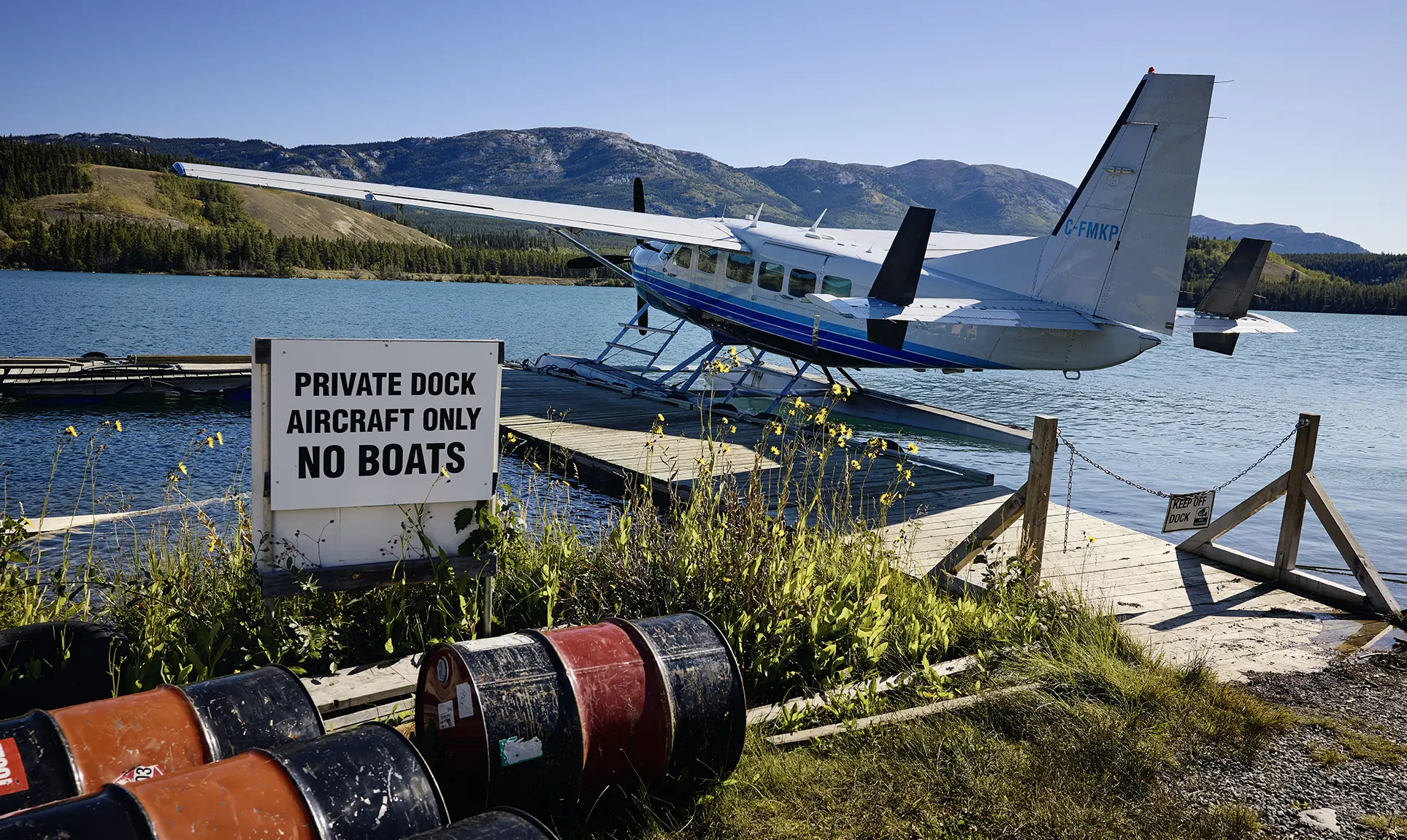
Rachel Morris loves the Yukon and wouldn’t switch places with anyone. Once a bush pilot, always a bush pilot.
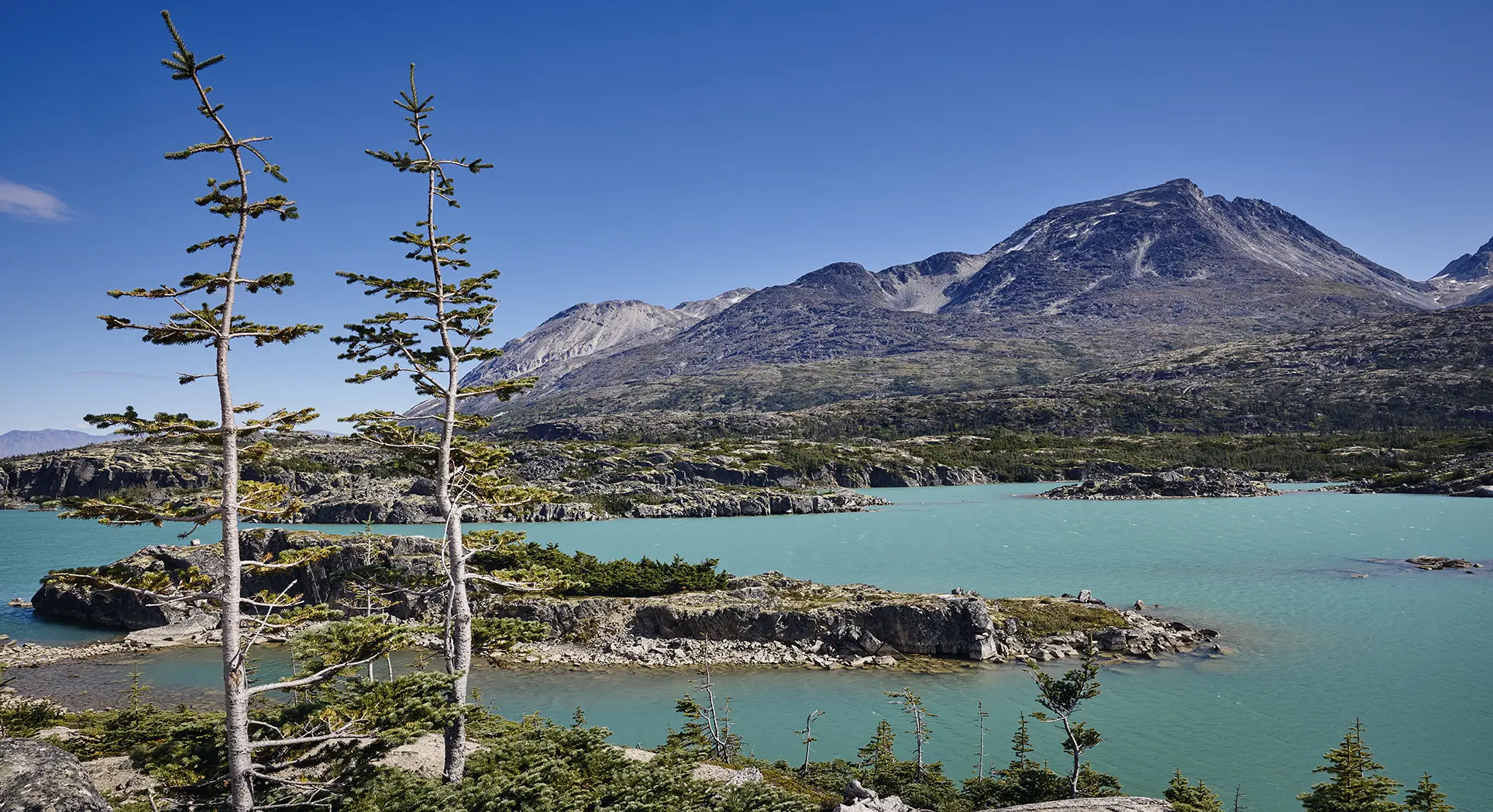
More than a century has passed since the days of the gold rush. Epochs of change, decades of emancipation. But some things don’t seem to change. Perhaps it’s the North. The rivers, the mountains, the conifers, the bears and the power of the wide, open sky. The women of Yukon River have always lived by the motto: do what you have to do and everything else will follow.